Science of Soft Washing Explained
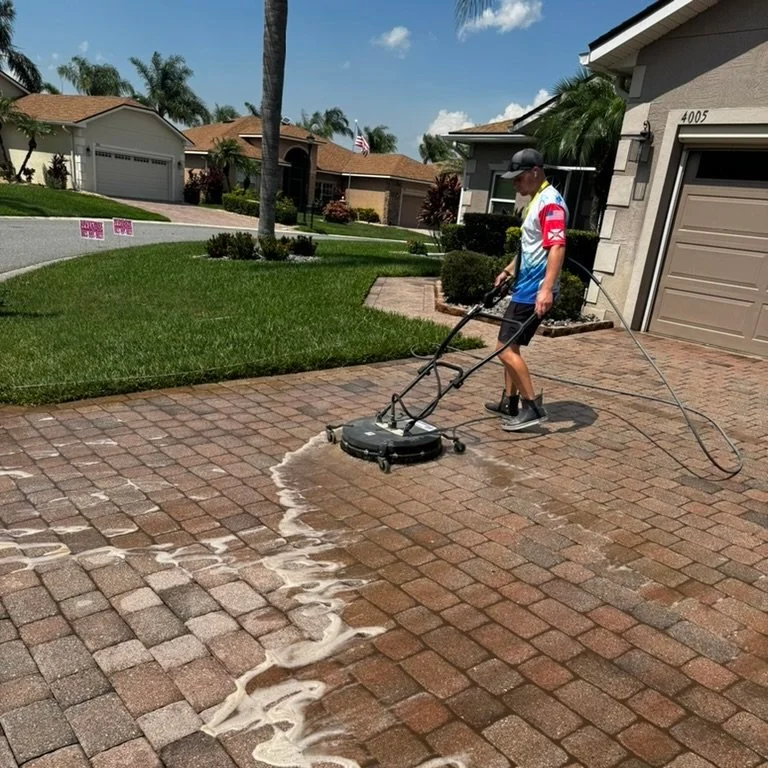
Soft washing has become a revolutionary cleaning method in the exterior maintenance industry, offering a gentler yet highly effective alternative to traditional pressure washing.
Soft washing has become a revolutionary cleaning method in the exterior maintenance industry, offering a gentler yet highly effective alternative to traditional pressure washing. While the results of softwashing speak for themselves, understanding the science behind this process can provide invaluable insights into its effectiveness and benefits. Companies like Super Soft Wash leverage these scientific principles to deliver superior cleaning results for various surfaces.
The Basics of Soft Washing
Soft washing is a cleaning procedure that relies on chemical reactions rather than high-pressure water to eliminate dirt, grime, algae, and other pollutants from surfaces. The process includes applying a specialized cleaning solution to the target area using low-pressure pumps, allowing the chemicals to dwell on the surface for a specified time before gently rinsing.
Chemical Composition of Soft Wash Solutions
The effectiveness of soft washing lies in the carefully formulated cleaning solutions used. These solutions typically blend surfactants, biocides, and other cleaning agents. Surfactants, or surface active agents, minimize the surface tension of water, allowing it to penetrate and remove dirt more effectively. Biocides target and eliminate organic growth such as algae, mold, and mildew. Additional components may include chelating agents, which help to break down mineral deposits, and pH adjusters to optimize the solution's effectiveness on different surfaces.
The Role of Sodium Hypochlorite
One key ingredient in many soft wash solutions is sodium hypochlorite or bleach. When applied to a surface, sodium hypochlorite undergoes a chemical reaction that produces hypochlorous acid. This powerful oxidizing agent effectively breaks down organic matter and kills microorganisms. The concentration of sodium hypochlorite in soft wash solutions is carefully controlled to maximize cleaning power while minimizing potential harm to surfaces or vegetation.
pH Levels and Their Importance
The pH level of soft wash solutions plays a significant role in their effectiveness. Different contaminants and surfaces respond best to specific pH ranges. For example, acidic solutions (low pH) effectively remove mineral deposits and rust stains, while alkaline solutions (high pH) break down organic matter and grease. Professional soft washing services like Super Soft Wash adjust the pH of their solutions based on the specific cleaning requirements of each job.
Dwell Time and Chemical Reactions
A critical aspect of the soft washing process is the dwell time, during which the cleaning solution remains on the surface before being rinsed away. During this time, several chemical reactions occur. Surfactants work to penetrate and lift dirt particles, while biocides attack and neutralize organic growth. The extended contact time allows these reactions to develop fully, resulting in more thorough cleaning than high-pressure washing, which relies primarily on mechanical force.
Low-Pressure Application and Surface Tension
The low-pressure application of soft wash solutions is about more than just preventing surface damage. It also takes advantage of the scientific principle of surface tension. Applying the solution gently can form a thin, even layer over the surface. This maximizes the contact area between the cleaning agents and the contaminants, enhancing the effectiveness of the chemical reactions.
Biodegradability and Environmental Considerations
The science of soft washing extends to environmental considerations as well. Many professional softwashing services use biodegradable cleaning solutions. These products are designed to break down into harmless substances after use, minimizing their environmental impact. The biodegradation process involves microorganisms that convert the cleaning agents into water, carbon dioxide, and other non-toxic compounds.
Temperature Effects on Cleaning Efficiency
Temperature is fundamental to the effectiveness of soft washing. Warmer temperatures generally accelerate chemical reactions, potentially improving cleaning efficiency. However, excessively high temperatures can cause rapid evaporation of the cleaning solution, reducing its effectiveness. Professional soft washing services consider ambient temperature when formulating solutions and planning the cleaning process to achieve optimal results.
Chelation in Soft Washing
Chelation is a chemical process used in soft washing to remove mineral deposits and metal stains. Chelating agents form stable composites with metal ions, effectively "trapping" them and allowing them to be rinsed away. This process is beneficial for removing hard water stains, rust, and other mineral-based discolorations typical on exterior surfaces.
Surface Chemistry and Material Compatibility
The cleaned material's surface chemistry also influences soft washing's effectiveness. Different materials interact with cleaning solutions in various ways. For example, porous surfaces like concrete may require different treatment than non-porous surfaces like vinyl siding. Understanding these interactions allows softwashing professionals to tailor their approach for each surface, maximizing cleaning effectiveness while minimizing the risk of damage.
Residual Protection
Some soft washing solutions incorporate ingredients that provide residual protection against future contamination. These components can bond with the cleaned surface at a molecular level, making a protective layer that resists the adherence of dirt, algae, and other contaminants. This scientific approach not only cleans the surface but also helps to maintain its cleanliness for an extended period.
The science behind soft washing demonstrates why this method is so effective at cleaning and maintaining exterior surfaces. Soft washing provides a thorough and long-lasting cleaning without needing high-pressure water by leveraging chemical reactions, optimized pH levels, and controlled application techniques. Property owners can expect even more efficient and environmentally friendly cleaning solutions as companies like Super Soft Wash continue to refine their techniques and solutions based on these scientific principles. Understanding the science of soft washing not only highlights its benefits but also underscores the importance of choosing professional services that have mastered these complex chemical and physical processes.
Super Soft Wash is a licensed and insured cleaning company providing exterior residential and commercial cleaning for Central Florida residents and businesses. Our team specializes in using revolutionary equipment and specialized, eco-friendly cleaning solutions for house washing, roof soft washing, gutter cleaning, and concrete cleaning and sealing, with a 100% satisfaction guarantee. Call us today!
